
Igwe Kenneth Onyeneke Orizu III
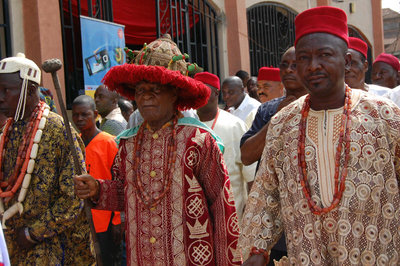
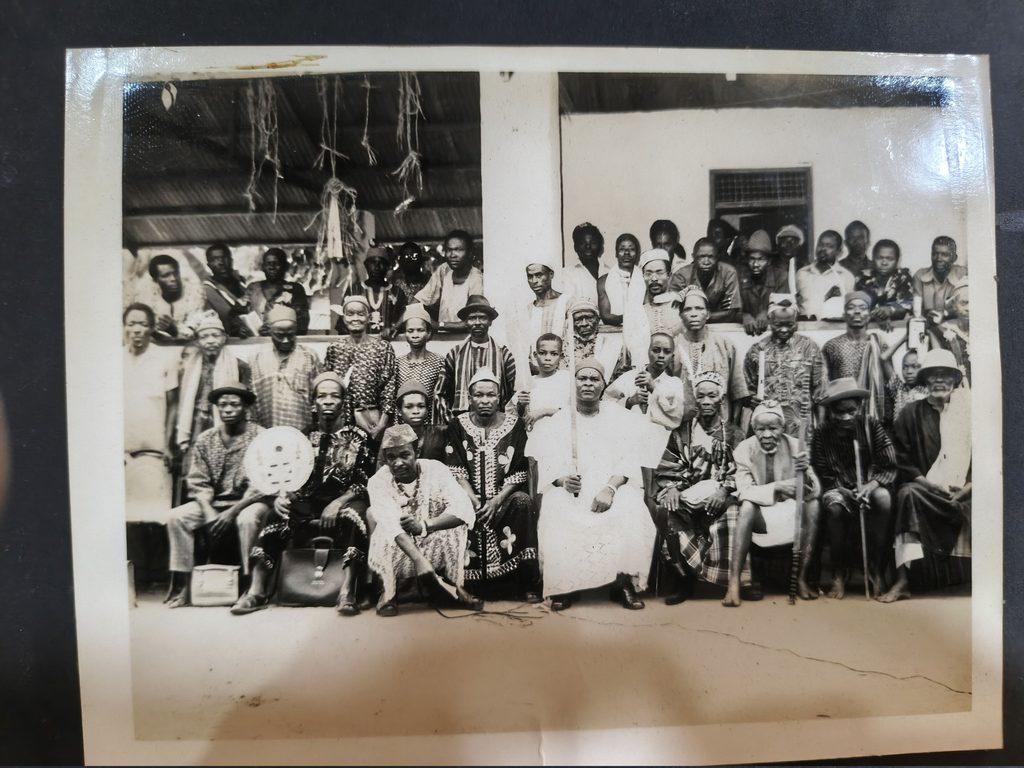
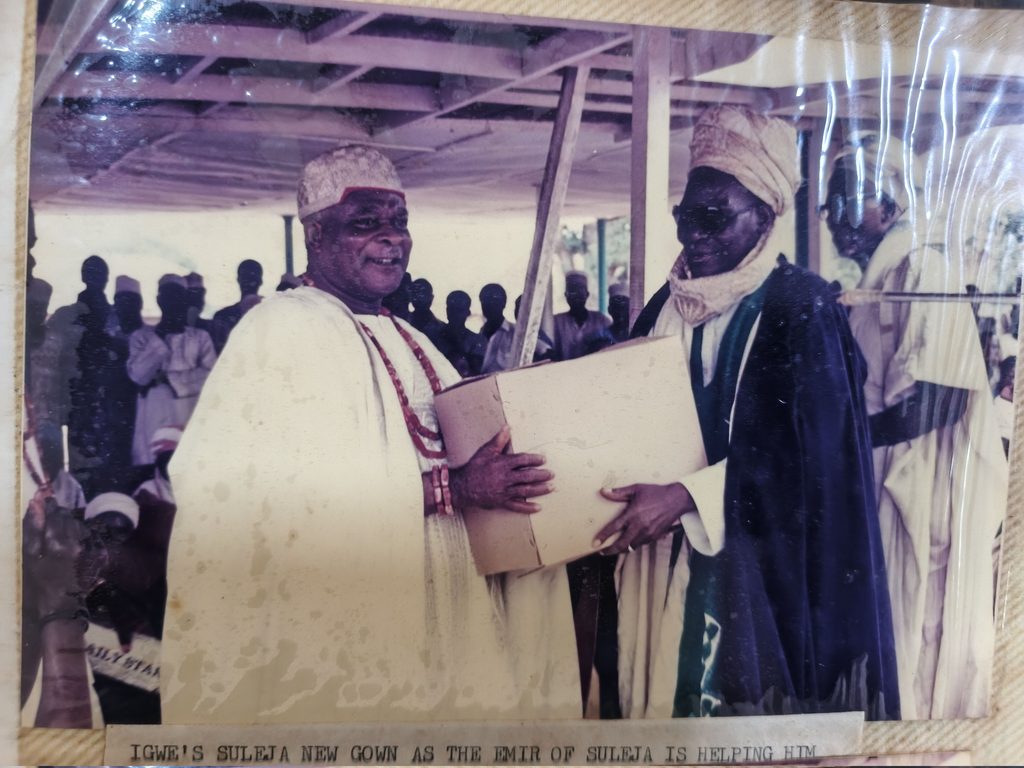
His Royal Highness Igwe Dr. Kenneth Onyeneke Orizu III, CON, born on 30 October 1925, is the 20th Obi of Otolo and Igwe of Nnewi Kingdom. He ascended the throne in 1963 following the death of his father, Igwe Josiah Nnaji Orizu II, and has remained one of the longest-serving traditional rulers in Africa. He is the custodian of the ancient Nnewi monarchy, a hereditary institution that predates European contact and traces its origins to the fifteenth century.
As the twentieth monarch of the Nnofo Royal Dynasty, Igwe Orizu III occupies one of the most respected traditional institutions in Igboland. His reign has witnessed extraordinary transformation in Nnewi’s social, economic, cultural, educational, and industrial development. Under his leadership, Nnewi evolved from a regional commercial town into one of Africa’s leading indigenous industrial and trading centres.
Royal Lineage
Igwe Kenneth Onyeneke Orizu III belongs to the ancient Nnofo Royal Lineage, the ruling dynasty of Nnewi Kingdom.
His royal ancestry includes:
- Igwe Iwuchukwu (Eze Ifekaibeya) – 17th Igwe of Nnewi
- Igwe Orizu I (Eze Ugbonyamba) – 18th Igwe of Nnewi
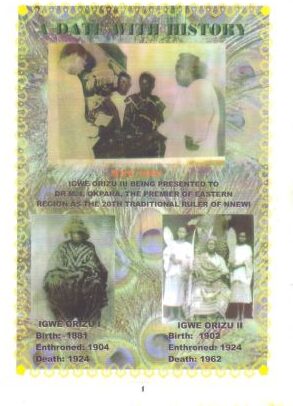
- Igwe Josiah Nnaji Orizu II – 19th Igwe of Nnewi
- Igwe Kenneth Onyeneke Orizu III – 20th Igwe of Nnewi
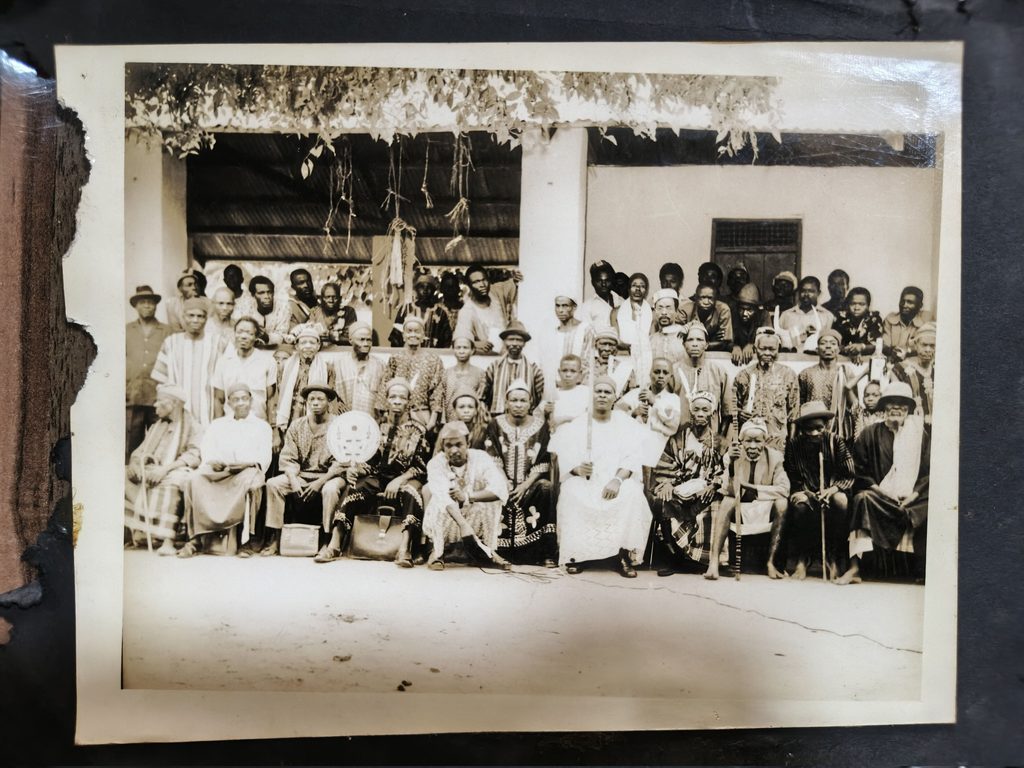
The Nnewi monarchy differs significantly from many traditional institutions in Igboland because succession is hereditary through paternal lineage rather than election. The holder of the Ofo is regarded as both political leader and spiritual custodian of the kingdom. (Wikipedia)
Early Life and Education
Kenneth Onyeneke Orizu was born on 30 October 1925 into the royal household of Nnewi.
He received his early education at:
- Hope Waddell College, Calabar
- New Bethel College, Onitsha
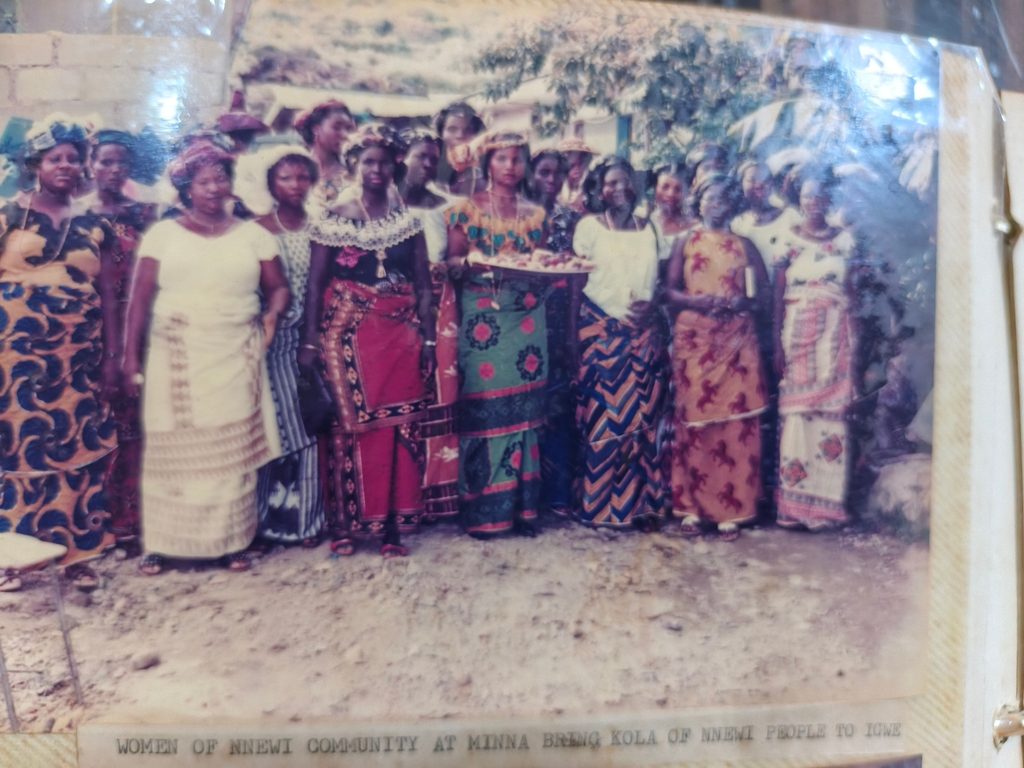
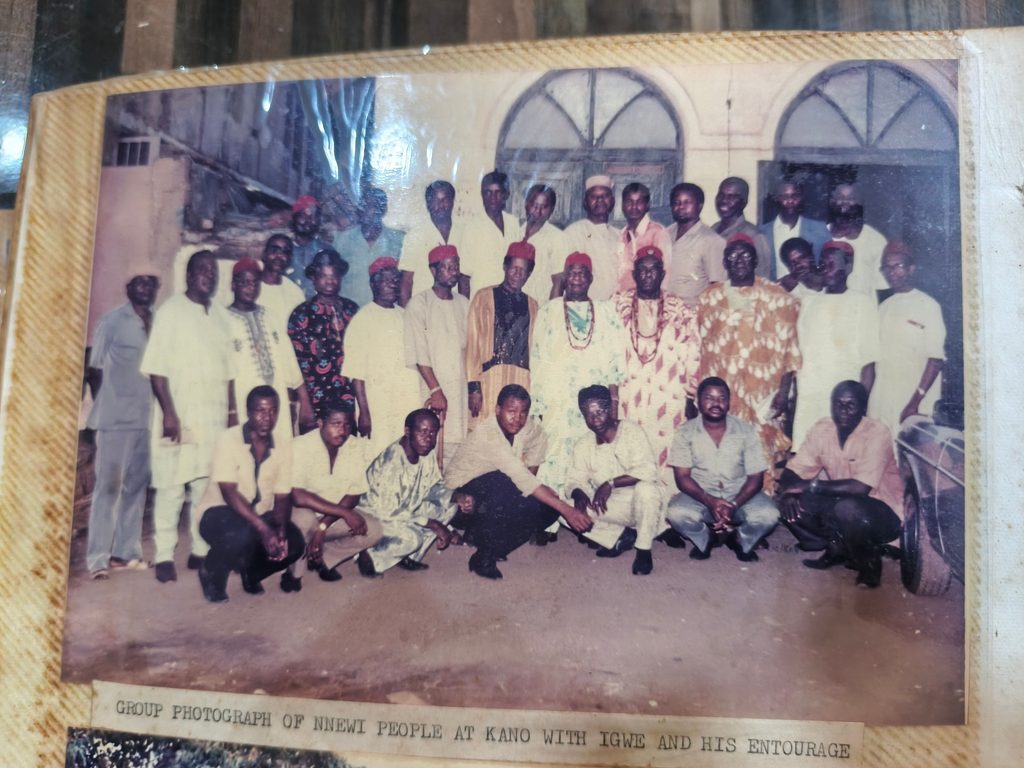
where he completed his studies in 1942. Before ascending the throne, he pursued careers in journalism, administration, commerce, and business. He worked with the Eastern Nigerian Outlook Group of Newspapers and later served in commercial management roles within the former Eastern and Mid-Western Regions of Nigeria. He was also a successful businessman in Kano before his enthronement.
Ascension to the Throne
Following the death of his father, Igwe Josiah Orizu II, Kenneth Onyeneke Orizu succeeded to the throne in February 1963.
He formally ascended the throne on:
6 February 1963
and was officially crowned on:
2 June 1963
becoming the twentieth Obi of Otolo and Igwe of Nnewi Kingdom.
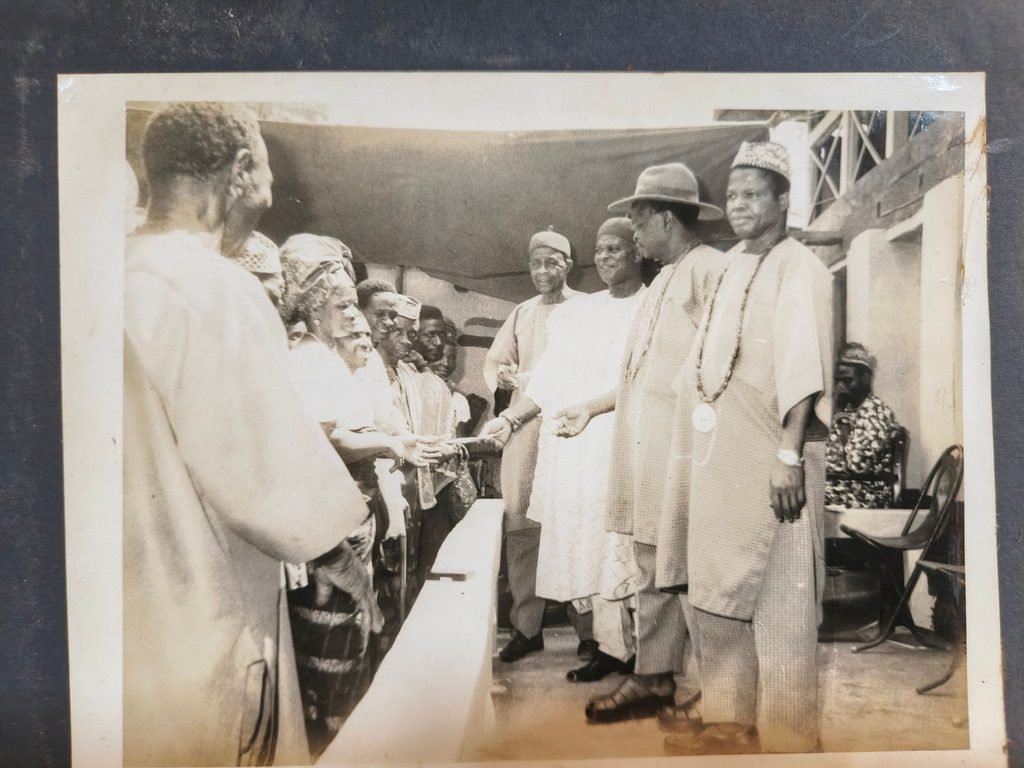
His coronation was attended by leading political figures of the First Republic, including Premier Michael Okpara of Eastern Nigeria.
Leadership Philosophy

The reign of Igwe Orizu III has largely been defined by four pillars:
Reconciliation
One of his earliest priorities was healing divisions within Nnewi society and promoting unity among the four quarters of Nnewi.
His commitment to peace and consensus-building eventually earned him the honorary title:
General of Peace
a title bestowed upon him by the people of Nnewi following his successful resolution of major communal and political disputes. (Nnewi Official City Portal)
Cultural Preservation
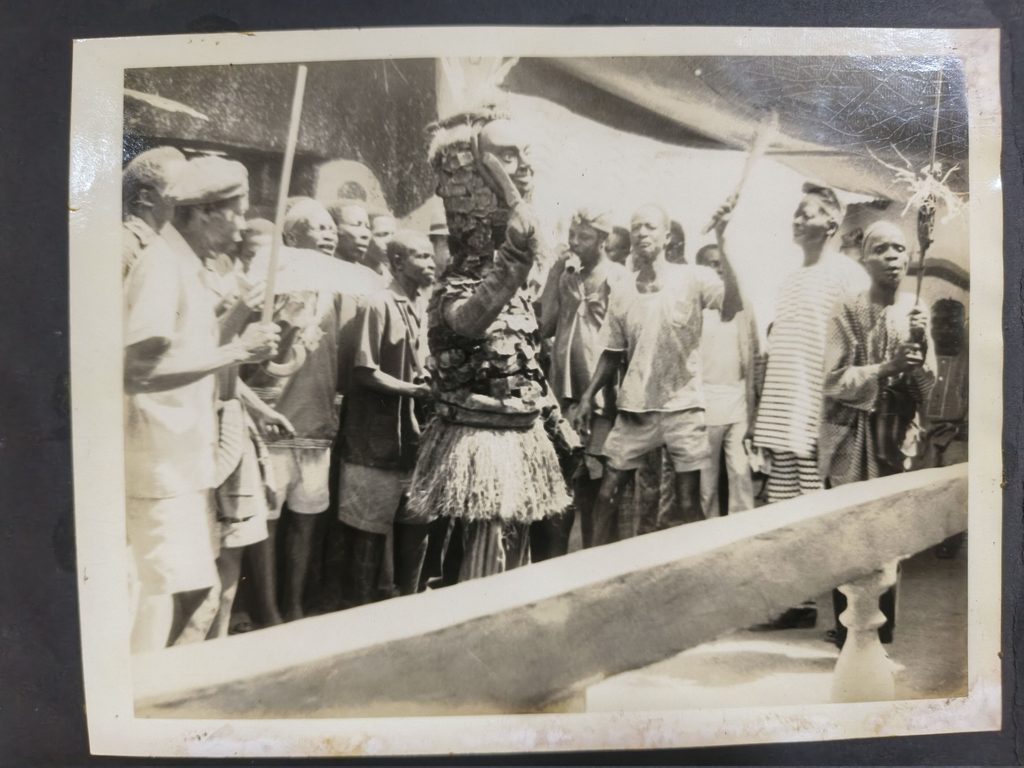
Despite being a devout Christian, Igwe Orizu III maintained strong commitment to preserving Nnewi customs, traditions, festivals, and indigenous institutions.
He strengthened the annual Ofala Festival and ensured that modernization did not erase Nnewi’s cultural identity. (Nnewi Official City Portal)
Development
His reign has consistently focused on education, healthcare, commerce, infrastructure, and community advancement.
Inclusiveness
His administration became known for social reforms that challenged longstanding discriminatory practices.
Abolition of the Osu Caste System
One of the most far-reaching and socially transformative achievements of Igwe Kenneth Onyeneke Orizu III was his determined campaign against the Osu caste system, a centuries-old social practice that existed in many parts of Igboland.
Traditionally, the Osu system created a rigid social distinction between individuals regarded as free-born (Diala) and those dedicated to deities or shrines (Osu). Although many Osu families had lived productive and respectable lives for generations, they often faced discrimination in marriage, social interactions, leadership positions, land ownership, and community participation. The system created barriers that divided families and communities and prevented many people from enjoying equal social status.
Recognising that such discrimination was incompatible with both Christian teachings and modern principles of justice, Igwe Orizu III took a courageous and progressive stance against the practice. At a time when many traditional rulers were reluctant to challenge long-standing customs, he openly declared that all citizens of Nnewi were equal before God, tradition, and society, regardless of ancestral background.
Through consultations with elders, community leaders, church authorities, and traditional institutions, he promoted the principle that no individual should be discriminated against because of inherited social classifications. Under his leadership, Nnewi became one of the earliest communities in southeastern Nigeria to formally reject the social restrictions associated with the Osu system.
The reform was not merely symbolic. It encouraged greater social integration, reduced barriers to marriage between families previously separated by caste distinctions, and promoted a stronger sense of unity among the people of Nnewi. It also reinforced the town’s reputation as a progressive and forward-looking society willing to adapt its traditions to changing social realities while preserving its cultural identity.
The abolition of the Osu system in Nnewi is widely regarded as one of the defining social reforms of Igwe Orizu III’s reign. It demonstrated his willingness to use the authority of the throne not only to preserve tradition but also to address social injustice and promote the dignity of all members of the community.
Today, this reform remains one of the most celebrated aspects of his legacy and is frequently cited as evidence of his commitment to equality, reconciliation, social harmony, and human development. By challenging a deeply entrenched practice, Igwe Orizu III helped lay the foundation for a more inclusive Nnewi society and strengthened the bonds that continue to unite the community across generations.
Educational Development
One of the most enduring legacies of Igwe Kenneth Onyeneke Orizu III is his unwavering commitment to education and human capital development. Throughout his reign, he recognized that the future prosperity of Nnewi depended not only on commerce and industry but also on the education and intellectual advancement of its people.
At a time when access to quality education remained limited in many parts of Nigeria, Igwe Orizu III consistently encouraged families to invest in the education of their children. He worked closely with community leaders, religious organizations, educational authorities, and philanthropic groups to expand educational opportunities across Nnewi and its surrounding communities.
Expansion of Primary and Secondary Education
Under his leadership, Nnewi witnessed significant growth in the number and quality of educational institutions. His administration supported the establishment, expansion, and improvement of numerous primary and secondary schools, helping to ensure that young people across the kingdom had access to formal education.
During his reign, educational institutions such as:
- Okongwu Memorial Grammar School
- Nnewi High School
- Anglican Girls Grammar School
- Maria Regina College
- Various mission and community primary schools
benefited from community mobilization, land allocations, infrastructural support, and advocacy efforts championed by the traditional institution.
These schools produced generations of professionals, entrepreneurs, academics, engineers, medical practitioners, and public servants who would later contribute significantly to the development of Nnewi, Anambra State, and Nigeria as a whole.
Teacher Training and Human Resource Development
Recognizing that educational excellence depended on the quality of teachers, Igwe Orizu III also supported the establishment and growth of teacher-training institutions. His administration encouraged investments in teacher education, helping to create a steady supply of qualified educators who served schools across the region.
This emphasis on teacher development strengthened the educational foundation of Nnewi and contributed to the town’s reputation as one of the most educated communities in southeastern Nigeria.
Support for Higher Education
Igwe Orizu III’s vision extended beyond primary and secondary education. He played a crucial role in advocating for tertiary educational institutions and professional training centres within Nnewi.
One of his most significant contributions was his support for the establishment and expansion of higher education facilities that later became associated with Nnamdi Azikiwe University and its medical programmes. Through his leadership, substantial community support was mobilized for educational projects, including land acquisition, fundraising initiatives, and infrastructural development.
His efforts helped create an environment that encouraged the growth of tertiary institutions and positioned Nnewi as an emerging centre for higher learning and professional training.
Development of Medical Education
Among his most notable achievements was his advocacy for medical education and healthcare training. Igwe Orizu III strongly supported efforts that led to the establishment and growth of institutions connected to the College of Health Sciences and the eventual development of what became one of Nigeria’s leading medical and teaching hospital complexes.
He encouraged wealthy individuals, community organizations, and development unions to contribute financially and materially to educational and healthcare projects that would benefit future generations.
Community Participation in Education
A defining feature of Igwe Orizu III’s approach was his ability to mobilize collective community action. He understood that sustainable educational development required cooperation between traditional institutions, churches, government agencies, philanthropists, and ordinary citizens.
Through his influence, Nnewi became known for a culture of self-help and community-driven development, with individuals and organizations investing heavily in schools, scholarships, libraries, and educational infrastructure.
Legacy in Education
Today, the educational achievements associated with the reign of Igwe Kenneth Onyeneke Orizu III are visible throughout Nnewi. The town boasts one of the highest concentrations of educated professionals in southeastern Nigeria and has produced prominent figures in business, medicine, engineering, academia, law, politics, and public service.
His commitment to education helped transform Nnewi from a traditional kingdom into a modern centre of learning, innovation, and entrepreneurship. By promoting educational advancement at every level—from primary schools to tertiary institutions—Igwe Orizu III laid a foundation that continues to empower generations of Nnewi people and remains one of the most important aspects of his enduring legacy.
Healthcare Advancement
Under his leadership, Nnewi emerged as a major medical centre in southeastern Nigeria.
His advocacy contributed significantly to the growth of:
- Nnamdi Azikiwe University Teaching Hospital (NAUTH)
- Community healthcare facilities
- Modern health delivery systems
Nnewi’s emergence as one of Nigeria’s leading healthcare hubs is frequently linked to the developmental vision of his administration.
Transformation of Nnewi into an Industrial City
Perhaps no achievement is more associated with Igwe Orizu III than the transformation of Nnewi into an industrial and commercial powerhouse.
During and after the Nigerian Civil War, he played a critical role in relocating and reorganizing trading activities around the Agbo Edo area.
What began as a wartime protective arrangement eventually evolved into:
- Nkwo Nnewi Market
- New Nnewi Market
- Nnewi Industrial Cluster
Today these commercial centres support thousands of manufacturers, traders, and entrepreneurs and are among the largest indigenous business ecosystems in Africa.
Public Service and Traditional Leadership
Beyond Nnewi, Igwe Orizu III has played prominent roles in traditional governance.
He has served as:
- Vice Chairman of the Anambra State House of Chiefs
- Senior traditional ruler in Anambra State
- Elder statesman and adviser on national issues
His influence extends beyond Nnewi into broader discussions on culture, governance, peacebuilding, and community development.
Honours and Recognition
Among numerous recognitions, he has received:
- Commander of the Order of the Niger (CON)
- Paul Harris Fellow of Rotary International
- Numerous honorary chieftaincy and community awards
His reign is frequently cited as one of the most impactful in modern Igbo history.
Family
Igwe Kenneth Onyeneke Orizu III belongs to one of the most distinguished royal and political families in Nigerian history. As the head of the ancient Nnofo Royal Dynasty, he continues a lineage that has occupied the throne of Nnewi for centuries and has produced traditional rulers, statesmen, business leaders, and community builders whose influence extends far beyond Nnewi Kingdom.
His father was His Royal Highness Igwe Josiah Nnaji Orizu II, the 19th Obi of Otolo and Igwe of Nnewi, while his grandfather was Igwe Orizu I (Eze Ugbonyamba), the monarch who guided Nnewi through the transition into the colonial era.
Among the most prominent members of the Orizu family was his uncle, Prince Abyssinia Nwafor Orizu, one of Nigeria’s foremost statesmen. Prince Nwafor Orizu served as President of the Senate of the Federal Republic of Nigeria and later became Acting President of Nigeria during the First Republic, making him one of the most influential political figures in the country’s history.
Marriage and Family Life
Igwe Kenneth Onyeneke Orizu III was married to Her Royal Highness Lolo Catherine Nwazunafia Orizu (née Mbelu), the revered first wife of the monarch and one of the most respected royal women in contemporary Nnewi history.
Throughout her life, Lolo Catherine was widely admired for her compassion, humility, and dedication to community service. She played an active role in numerous charitable and developmental initiatives, particularly those focused on the welfare of women, children, education, and healthcare. Her philanthropic work touched countless lives and earned her widespread respect throughout Nnewi and beyond.
As a royal matriarch, she was deeply committed to the advancement of the Nnewi community and was regarded as a source of wisdom, support, and inspiration within the palace and society at large.
Lolo Catherine passed away in April 2024 after a life devoted to service and humanity. Her funeral ceremonies, held between 23 and 27 October 2024, attracted dignitaries from across Nigeria and the diaspora, including political leaders, traditional rulers, captains of industry, clergy, and community leaders. The large turnout reflected the profound impact she had on the lives of many people and the high esteem in which she was held.
Today, she is remembered as a symbol of compassion, philanthropy, and selfless service whose legacy continues to inspire generations of Nnewi people.
Children
Igwe Kenneth Onyeneke Orizu III is blessed with several children who have continued the proud traditions of the Orizu family.
Among his children are:
- Crown Prince Obianefo Charles Obi Orizu
- Engr. Prince Chukwudi Orizu
- Prince Chibuzor Orizu
- Princess Eziafa Orizu
- Princess Joy Chika Orizu
Crown Prince Obianefo Charles Obi Orizu
The eldest son of Igwe Kenneth Onyeneke Orizu III is Crown Prince Obianefo Charles Obi Orizu, born on 29 November 1966.
As the first son of the reigning monarch, he is the heir apparent to the throne of Nnewi Kingdom and the next in line to succeed his father as the Obi of Otolo and Igwe of Nnewi, in accordance with the hereditary succession system of the Nnofo Royal Dynasty.
The Nnewi monarchy is one of the oldest surviving traditional institutions in Nigeria and operates within a unique political structure often described as a tetrarchy, where leadership responsibilities are shared among the four quarters of Nnewi. Within this framework, however, the Obi of Otolo remains the traditional head of the kingdom and custodian of the sacred Ofo Nnewi.
As Crown Prince, Obianefo Orizu has spent decades learning the customs, traditions, responsibilities, and leadership values associated with the throne. He has represented the royal family at numerous cultural, social, and community engagements and is widely regarded as a key figure in preserving and advancing the legacy of the Nnewi monarchy.
Centenary and Legacy
In 2025, Igwe Kenneth Onyeneke Orizu III celebrated his 100th birthday, becoming one of the oldest reigning monarchs in the world and one of the longest-serving traditional rulers in African history.
His legacy includes:
- Abolition of the Osu caste system
- Promotion of peace and reconciliation
- Expansion of education and healthcare
- Transformation of Nnewi into an industrial hub
- Preservation of Nnewi culture and traditions
- More than six decades of continuous traditional leadership
Today, he is widely regarded as one of the most influential traditional rulers in modern Nigerian history.
Views: 138
secretary
Human rights
Commission